
Kamonchanok is a graduate of the MA Material Futures programme at Central Saint Martins. She previously completed a Bachelor’s degree in Design and Architecture at Chulalongkorn University. After graduating, she returned to her hometown of Yasothon in northeastern Thailand to work at her family’s rice mill.
Through daily involvement in rice production, she began to work closely with overlooked by-products and agricultural waste. Rather than seeing them as disposable, she understands these materials as part of a long-term cycle of sustainability. To her, rice is more than just a crop. It carries culture, community, and collective labour. These values strongly shape her practice as a speculative designer.
Alongside agricultural materials, clay has remained a constant presence in her life. Since her undergraduate studies, she has been interested in how clay moves between two-dimensional and three-dimensional forms. At times, the work feels shaped both by her hand and by the material itself. For her, working with clay is a way of reconnecting with nature.

In 2022, she established KOR-AIR-LOR-BOR, a studio named after the Thai word for rice husk (แกลบ). The act of spelling the word KOR-AIR-LOR-BOR (ก-แ-ล-บ) reflects a process of slowing down and relearning familiar materials. The studio invites audiences to reconsider waste and explore new possibilities in material design.
Regenesis is a research-led project developed in collaboration with her family’s rice mill and local communities in Yasothon, Thailand. The project challenges common perceptions of agricultural residues while remaining rooted in traditional knowledge. The research focuses on rice husks, which are produced in large quantities and are often discarded, burned, or sent to landfill. This is due to their resistance to decomposition and low nutritional value.
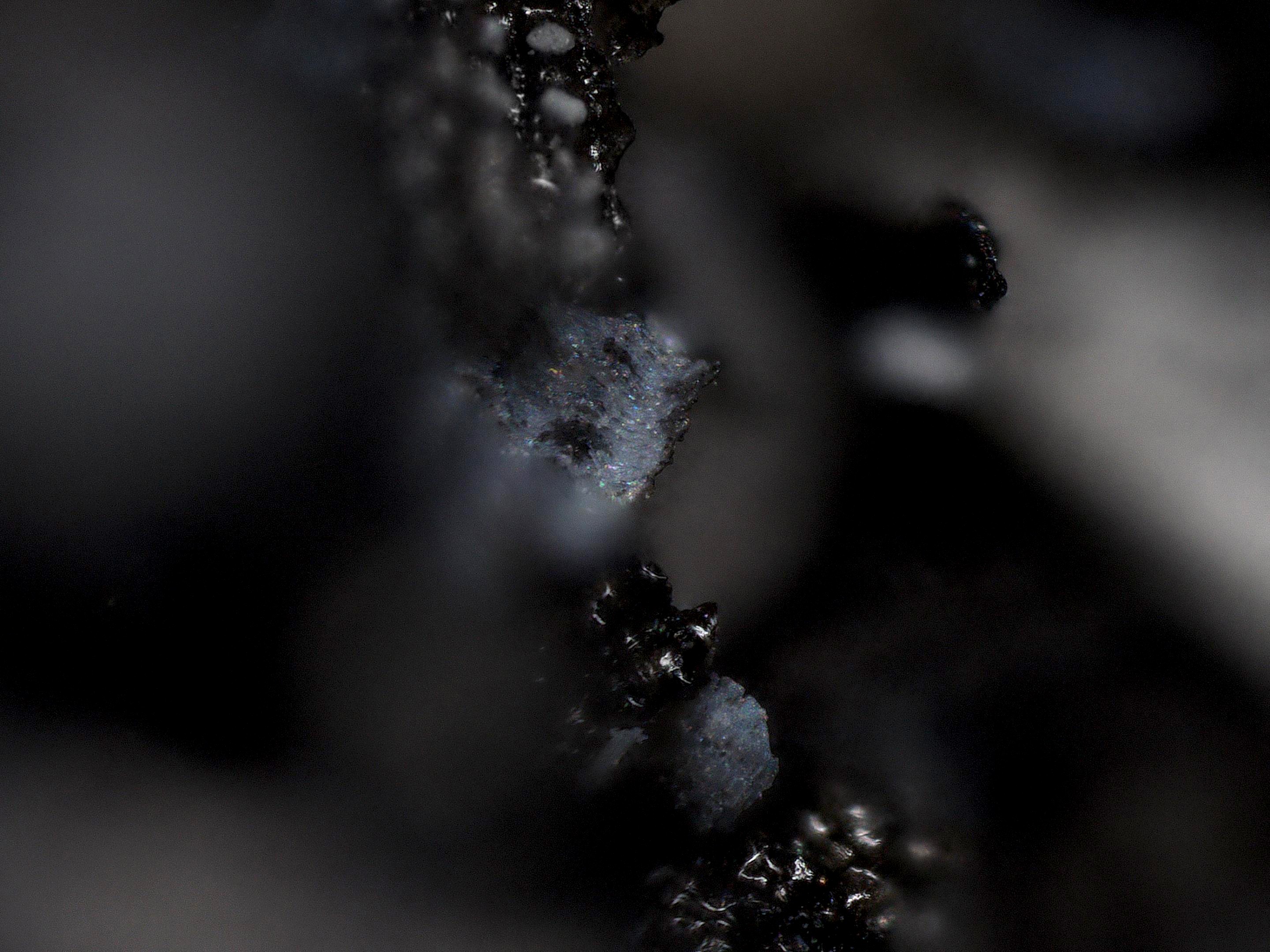
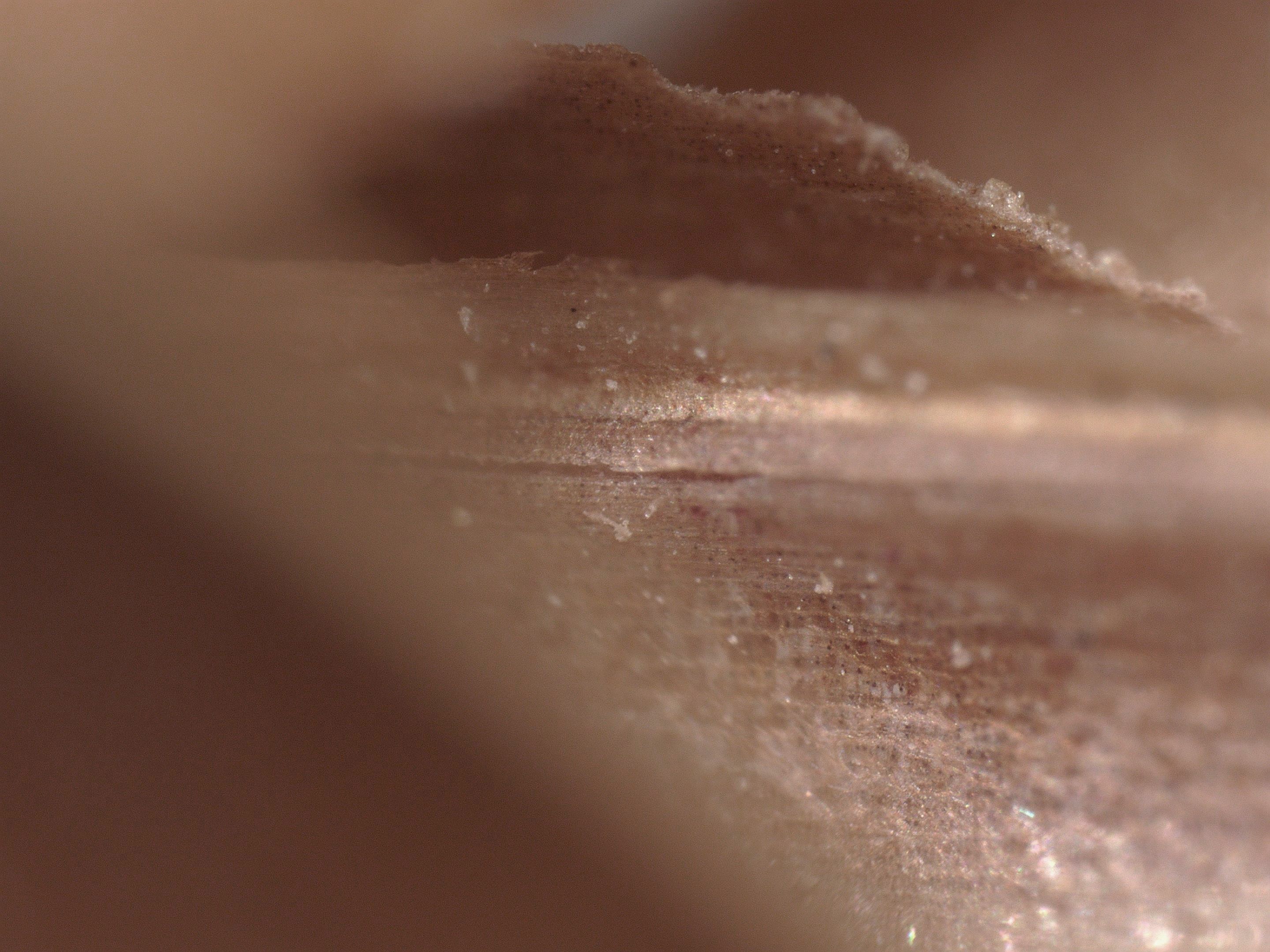
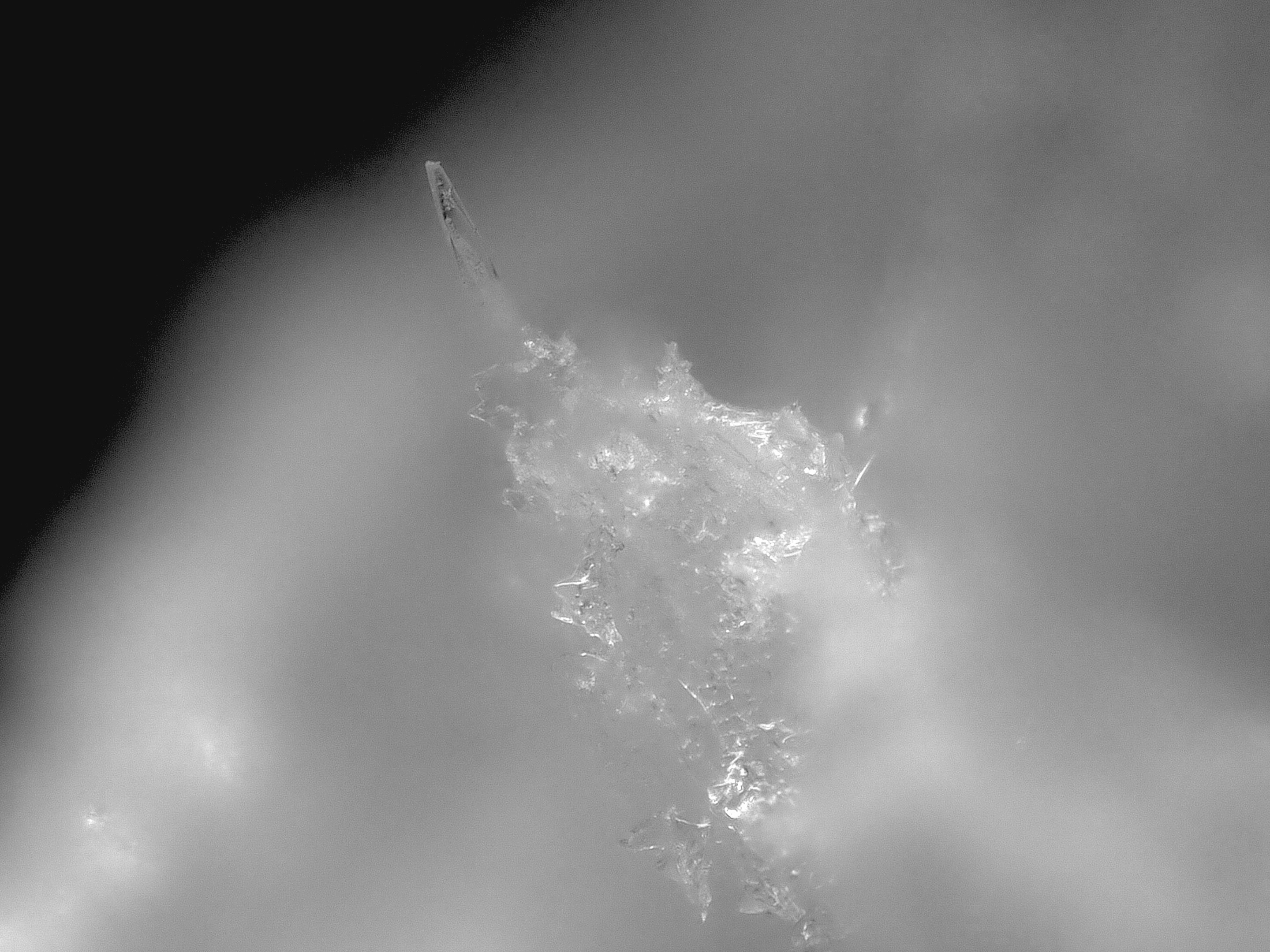
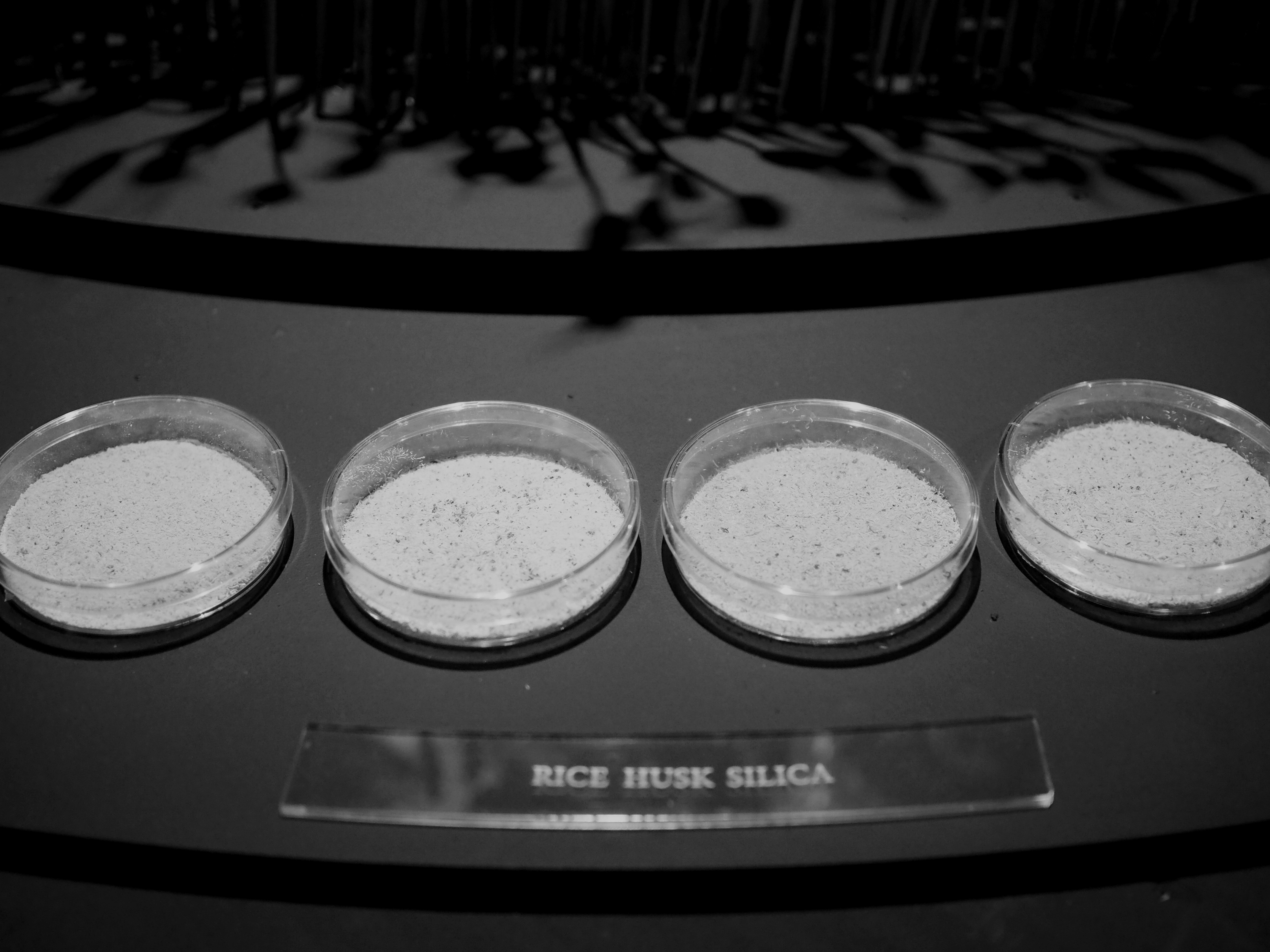
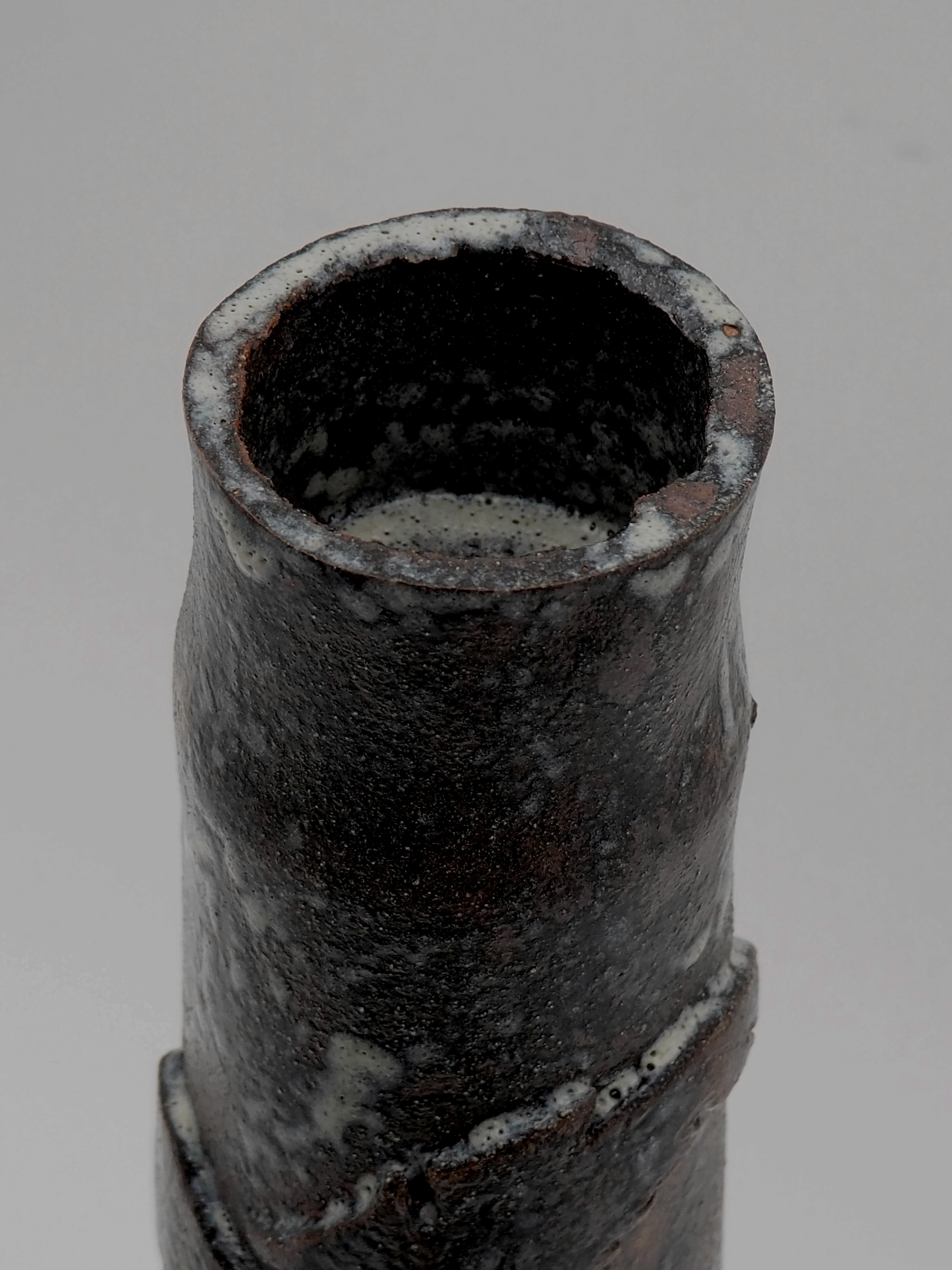
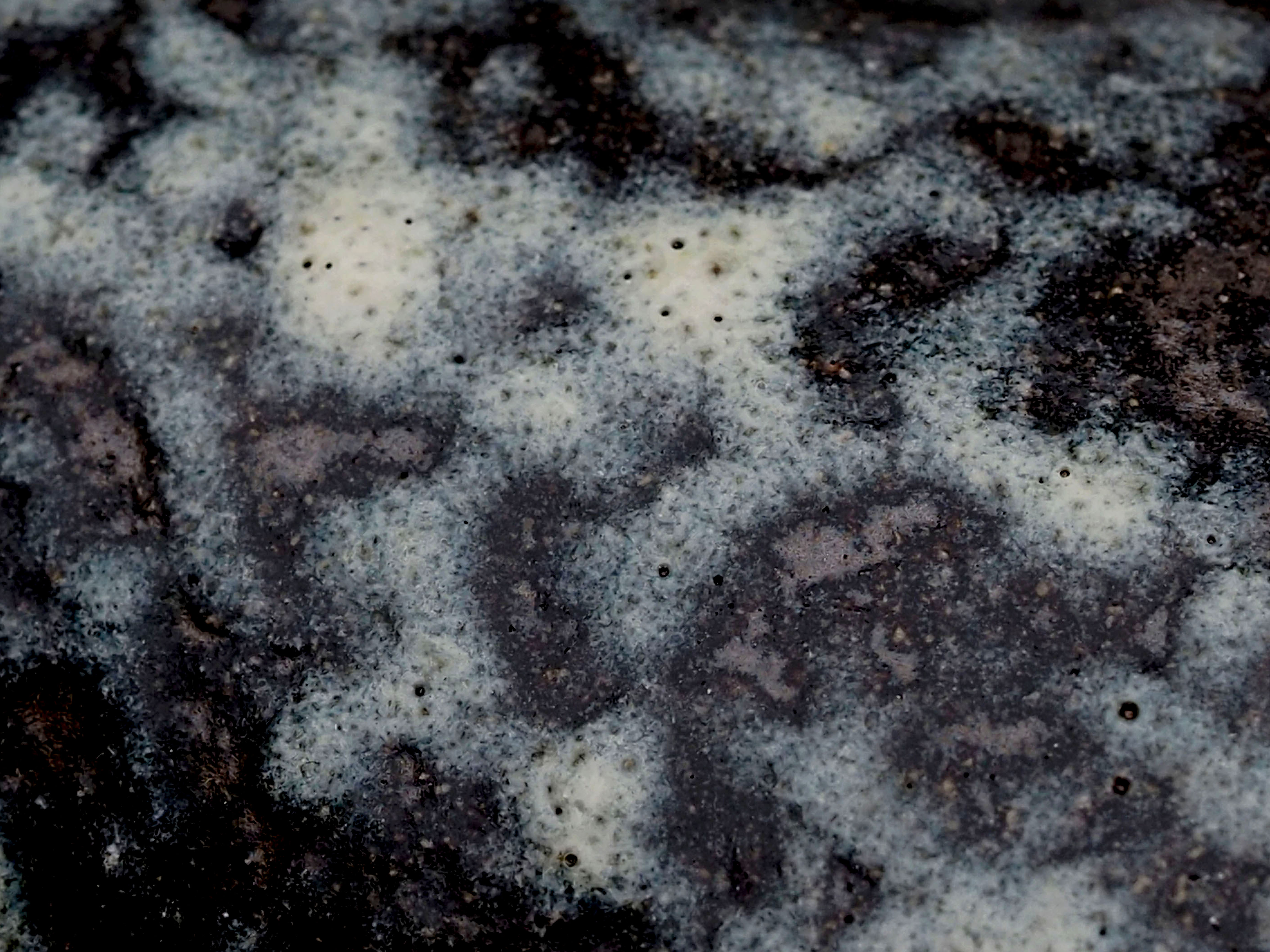
Through material experimentation, she discovered that rice husks contain a high level of silica. Silica is a naturally occurring compound of silicon and oxygen. This makes rice husks a potential alternative mineral source for ceramic materials and glaze formulations. Microscopic analysis also revealed blue and purple tones within the material. These tones reflect the alkaline soil conditions of her hometown, a region shaped by high salinity and limited water resources.
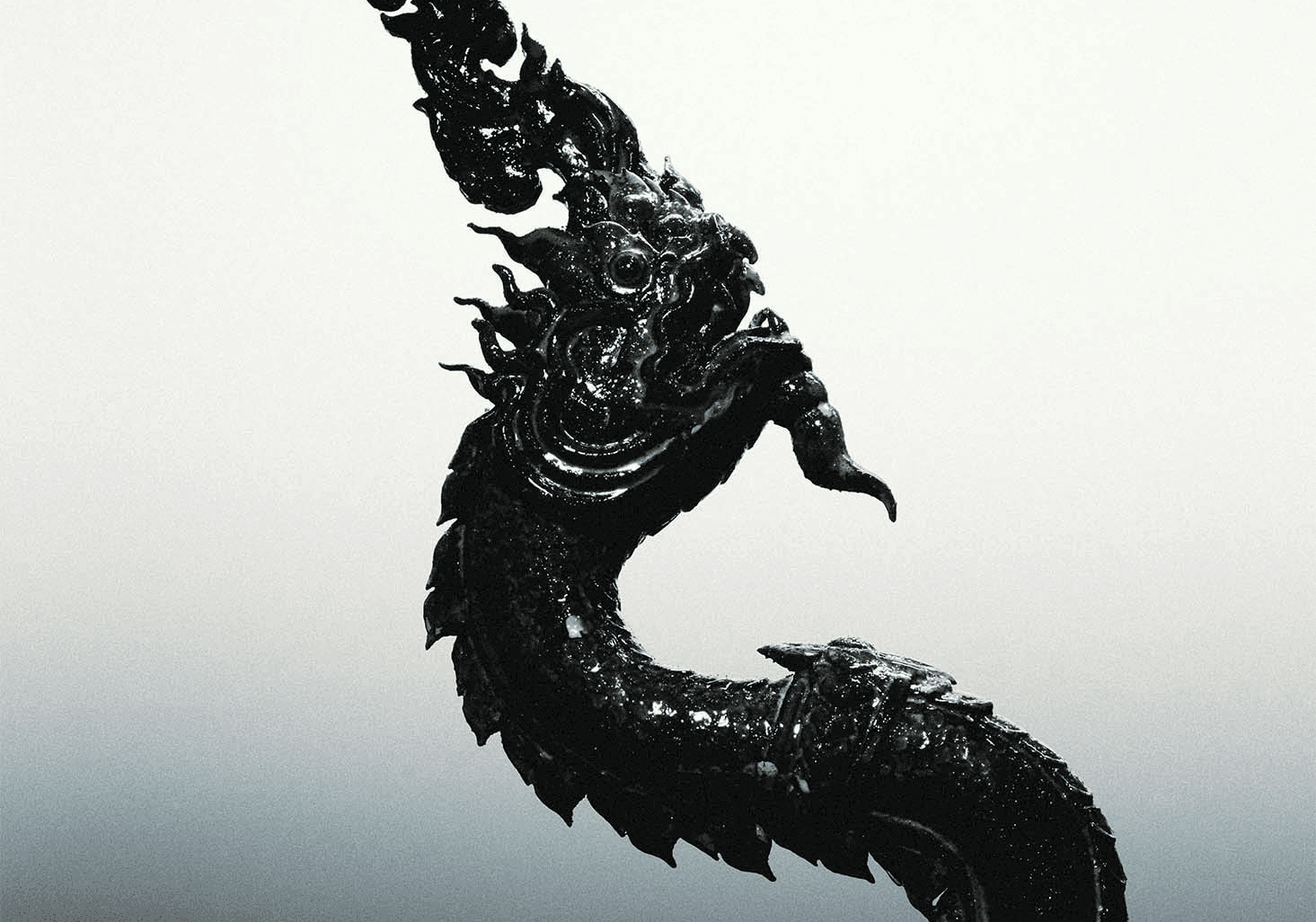
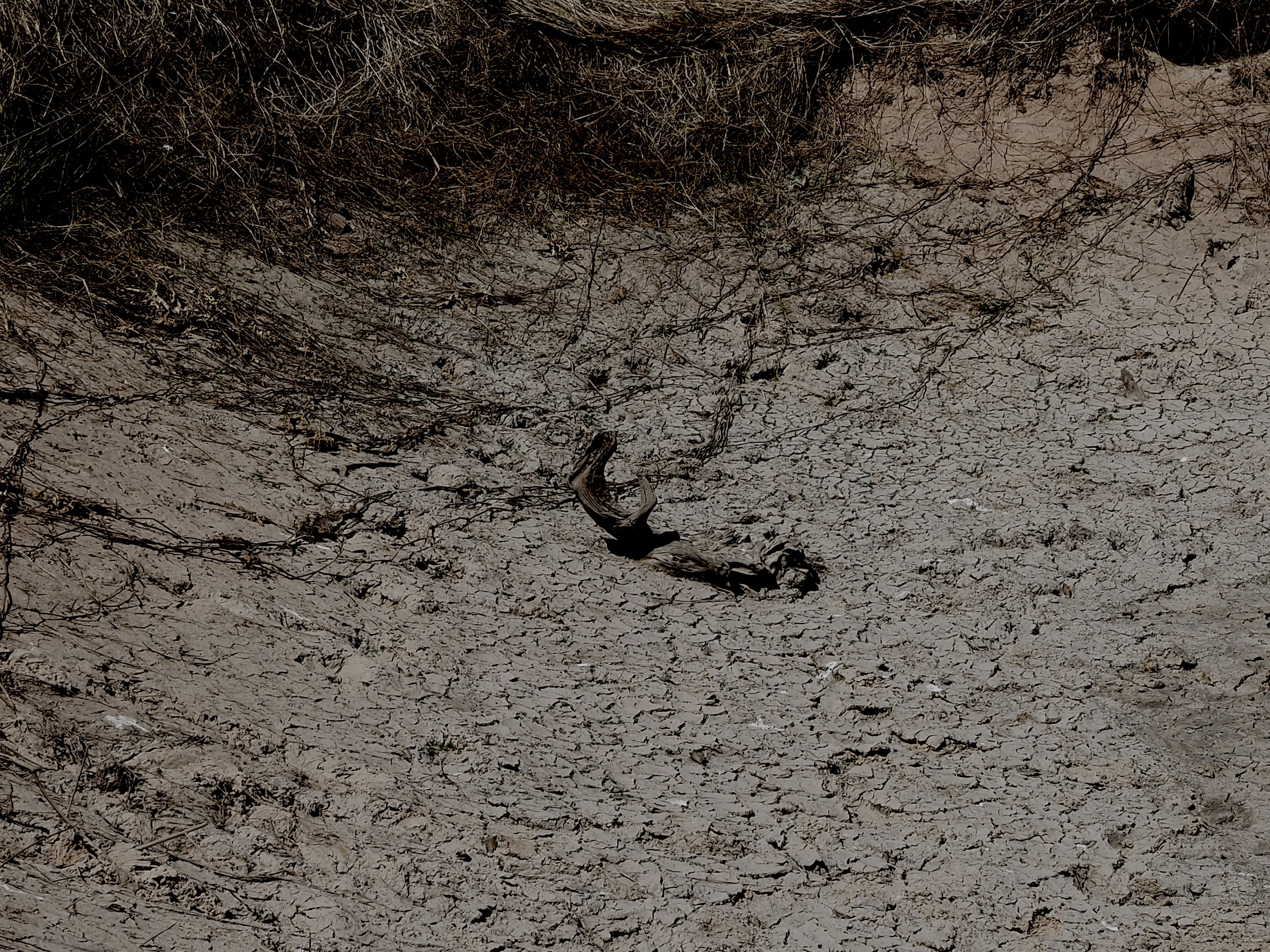
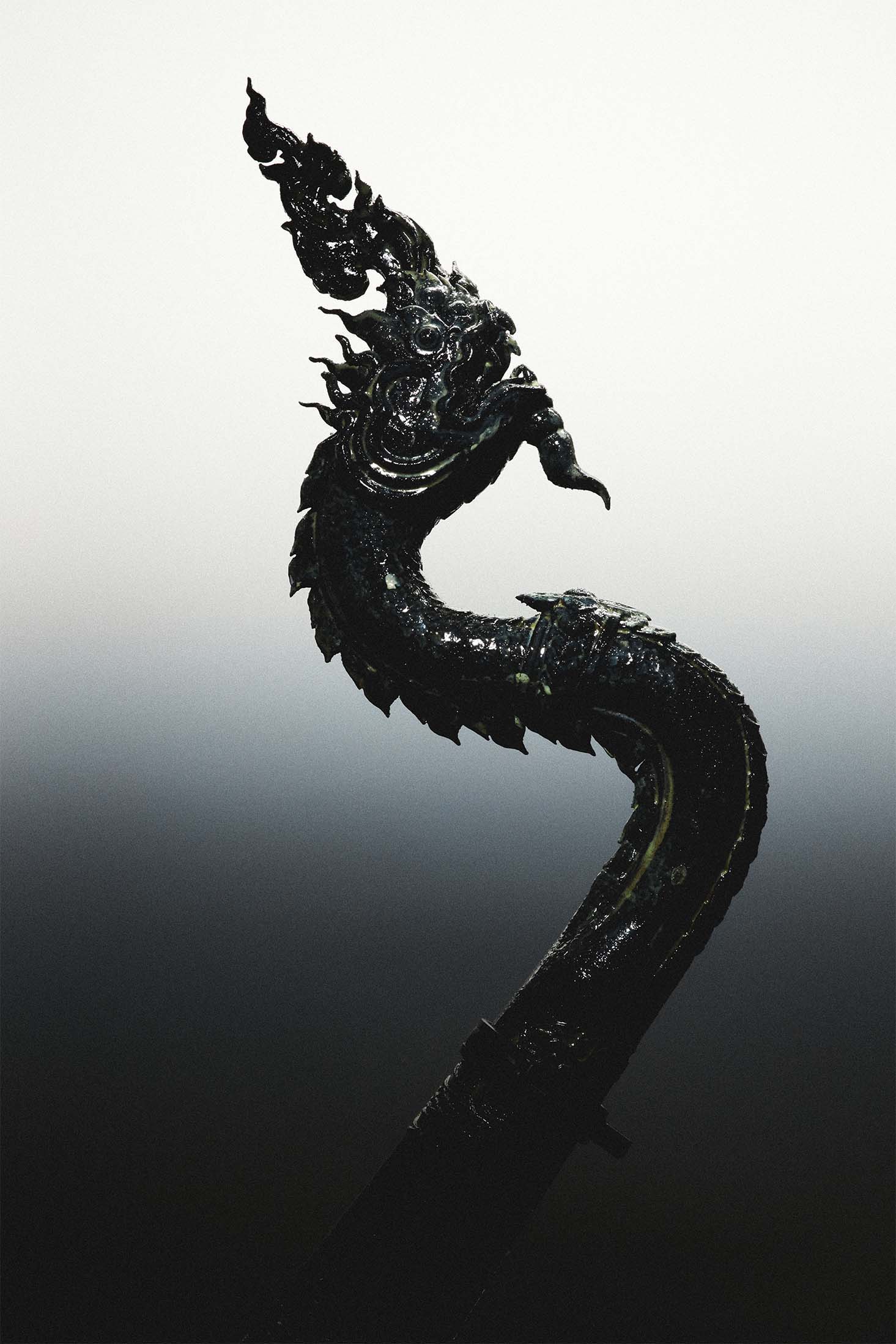
The project is situated in the Thung Kula Rong Hai rice fields. As previously mentioned, the region faces challenging environmental conditions such as drought, soil salinity, and low organic matter. Farming here depends largely on seasonal rainfall and nearby rivers. For this reason, local communities continue to observe Bun Bang Fai, the Rocket Festival. This ritual calls upon the Naga in the hope of bringing rain, fertility, and a successful harvest.
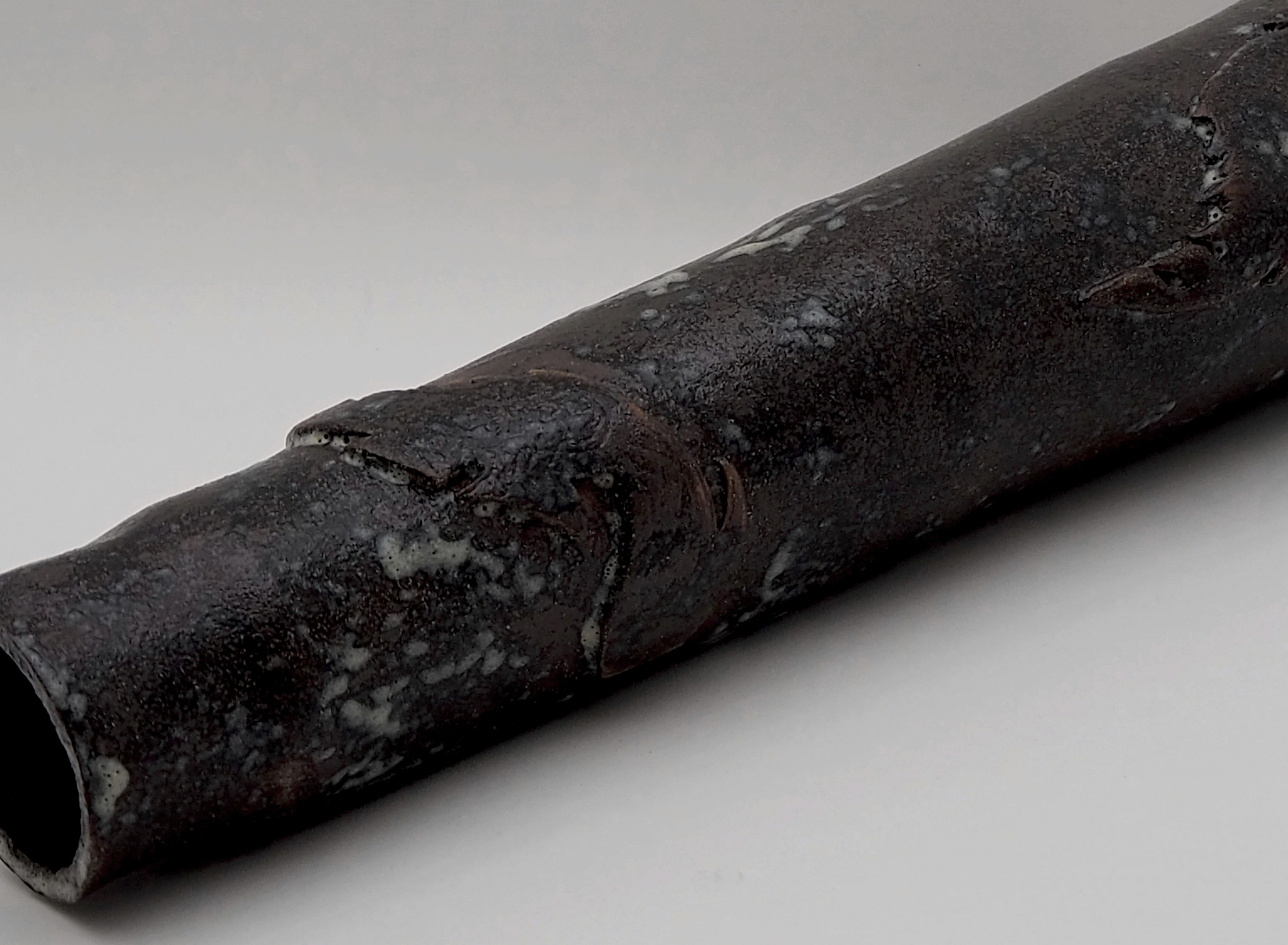
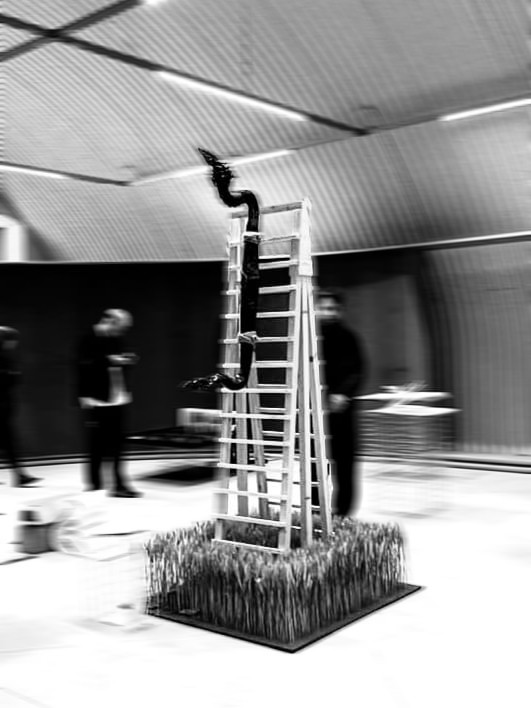
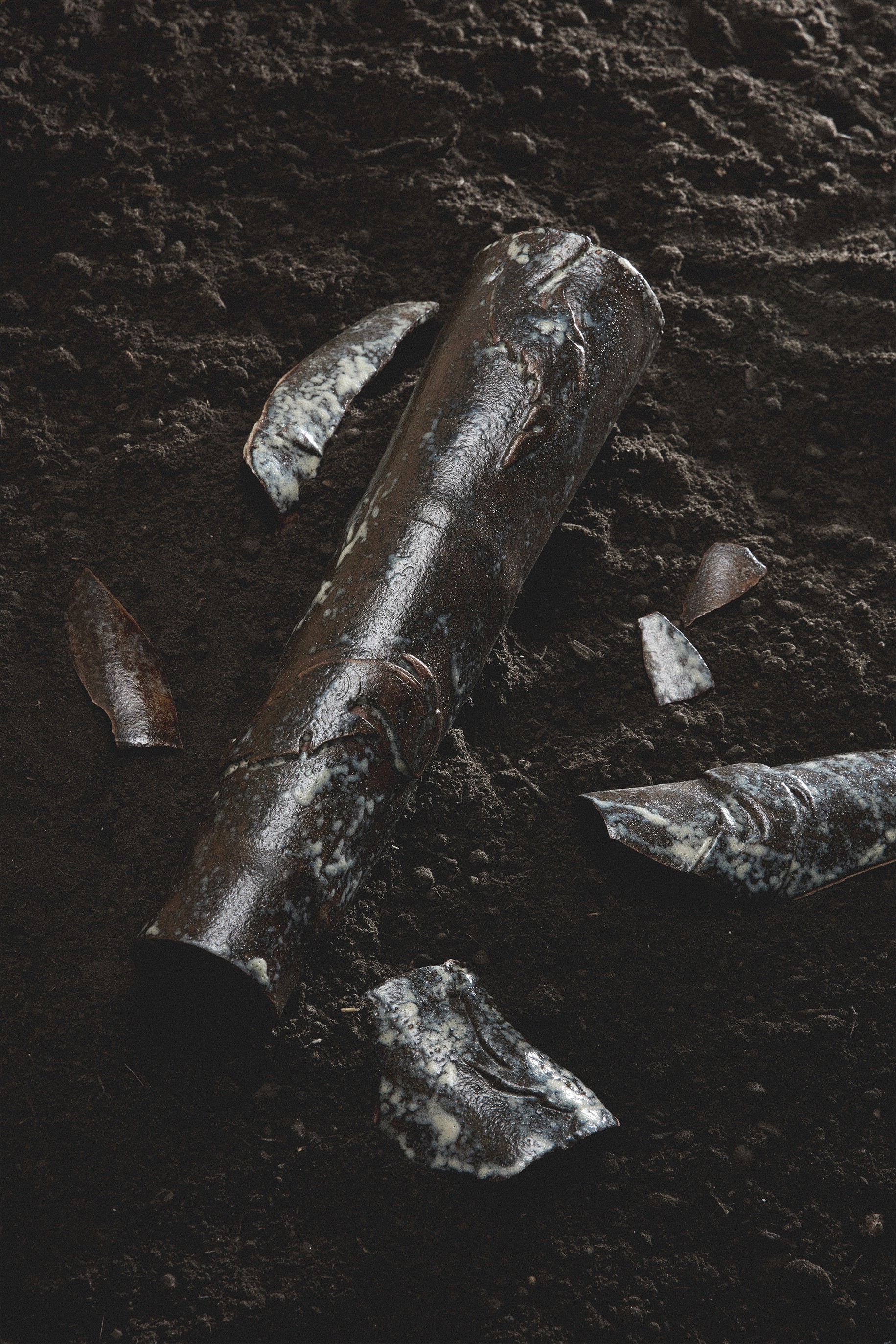
Based on site research, Regenesis reimagines ceremonial rockets using materials derived from discarded rice husks instead of conventional synthetic materials. These materials are transformed into silica and biochar. After the ritual, they are returned to the rice fields, where they enrich the soil and support regeneration.
Kamonchanok Wongwiboonsat
Designer
Kamonchanok Wongwiboonsat is a speculative designer whose practice explores material systems, craft, and ecology. She holds an MA in Material Futures from Central Saint Martins and a BA in Design and Architecture from Chulalongkorn University. Rooted in her family heritage as a third-generation rice miller in Yasothon, Thailand, her work investigates rice husks and agricultural by-products as valuable material resources. Through collaborations with local farming communities, her practice repositions waste as a site of regeneration, sustainability, and cultural continuity.
Social: ___.kalb
Social: kookkik_wo
CONTENTS